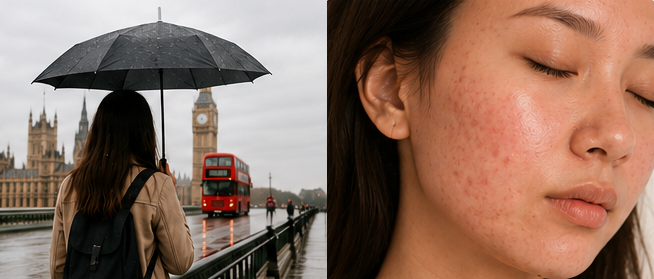
Why Your Skin Changes After Moving to the UK (And What You Can Do About It)
June 02, 2026 . By BePersona Team
Skin Changes After Moving to the UK
Introduction
Many people are surprised when their skin starts behaving differently after moving
to the UK.
Perhaps your skin was clear before, but now you’re experiencing breakouts. Maybe your face feels drier than usual, or you’ve noticed increased sensitivity, redness, or pigmentation.
If this sounds familiar, you’re not alone.
The truth is that moving to a new country can affect your skin in several ways. The UK’s climate, water quality, lifestyle changes, and environmental factors can all impact your skin’s health.
Let’s explore why this happens and what you can do to help your skin adapt.
Why Does Your Skin Change After Moving to the UK?
Your skin is constantly responding to the environment around you.
When you move to the UK, your skin is exposed to new conditions that may be very different from what it was used to before.
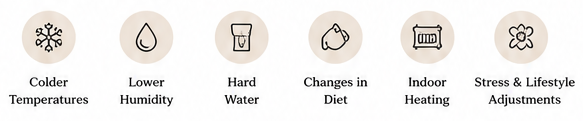
Common factors include:
- Colder temperatures
- Lower humidity levels
- Hard water
- Changes in diet
- Increased indoor heating
- Stress from relocation and lifestyle adjustments
These changes can disrupt your skin barrier and contribute to common skin concerns.
1. UK Weather Can Dry Out Your Skin
The UK is known for its cold, windy, and often unpredictable weather.
Cold air contains less moisture than warm air, which can cause your skin to lose water more quickly. During winter months, indoor heating can make the problem even worse.
As a result, many people experience:
- Dryness
- Tightness
- Flaking
- Increased sensitivity
- Redness
When the skin barrier becomes weakened, it may struggle to retain moisture and protect itself from irritation.
2. Hard Water May Affect Your Skin
Many areas in the UK have hard water.
Hard water contains higher levels of minerals such as calcium and magnesium. These minerals can leave residue on the skin and may interfere with how well cleansers rinse away.
For some people, hard water can contribute to:
- Dry skin
- Irritation
- Congestion
- Breakouts
While hard water is not the sole cause of acne, it may worsen existing skin concerns in some individuals.
3. Changes in Diet Can Impact Skin Health
Moving countries often means changing eating habits.
You may be eating different foods, consuming more processed meals, or adjusting to a new routine.
Diet alone does not directly cause acne for everyone, but certain dietary changes may influence inflammation and skin health.
Common lifestyle adjustments include:
- Increased consumption of convenience foods
- Changes in dairy intake
- Different meal schedules
- Reduced water intake
These factors can sometimes contribute to skin changes over time.
4. Stress Can Trigger Breakouts
Relocating to a new country can be exciting, but it can also be stressful.
Finding accommodation, adapting to a new culture, studying, working, and managing finances can all place additional pressure on your body.
Stress may increase the production of hormones that influence oil production in the skin.
This can lead to:
- Increased breakouts
- Oiliness
- Skin sensitivity
- Delayed healing of blemishes
Common Skin Problems People Notice After Moving to the UK
The most common concerns include:
Acne and Breakouts
Many people experience new or worsening acne after relocation due to environmental and lifestyle changes.
Dry and Dehydrated Skin
Cold weather and indoor heating can leave the skin feeling dry and uncomfortable.
Increased Sensitivity
A damaged skin barrier may become more reactive to skincare products and environmental factors.
Hyperpigmentation and Dark Marks
Breakouts and inflammation can sometimes leave behind dark spots that take time to fade.
How to Support Your Skin After Moving to the UK
The good news is that simple adjustments can help your skin adapt.
Use a Gentle Cleanser
Avoid harsh cleansers that leave your skin feeling tight or stripped.
Look for gentle cleansing products that remove dirt without damaging the skin barrier.
Focus on Hydration
Hydration is essential in the UK’s climate.
Use a moisturiser that supports the skin barrier and helps retain moisture throughout the day.
Introduce Proven Ingredients Gradually
Ingredients such as:
- Niacinamide
- Salicylic Acid
- Hyaluronic Acid
can be useful depending on your skin concerns.
Introduce new products slowly to avoid irritation.
Protect Your Skin Daily
Even on cloudy days, UV exposure can contribute to skin ageing and pigmentation.
Daily sunscreen use remains an important part of a healthy skincare routine.
When Will Your Skin Adjust?
Every person’s skin is different.
Some people notice improvements within a few weeks, while others may need several months to fully adapt to their new environment.
Consistency is key.
A simple routine that focuses on cleansing, hydration, and skin barrier support is often more effective than using too many products at once.
Final Thoughts
If you’ve noticed acne, dryness, sensitivity, or pigmentation after moving to the UK, you’re not imagining it.
Environmental changes, hard water, weather conditions, lifestyle adjustments, and stress can all influence your skin.
Understanding these factors is the first step toward building a skincare routine that works for your new environment.
At BePersona, we focus on understanding real skin concerns caused by lifestyle, environment, and biology—especially the unique challenges people face while adapting to life in the UK.
Your skin may have changed, but with the right approach, it can adapt too.